Various
sources, one
only energy

Brazil,
power in
clean energy
and renewable

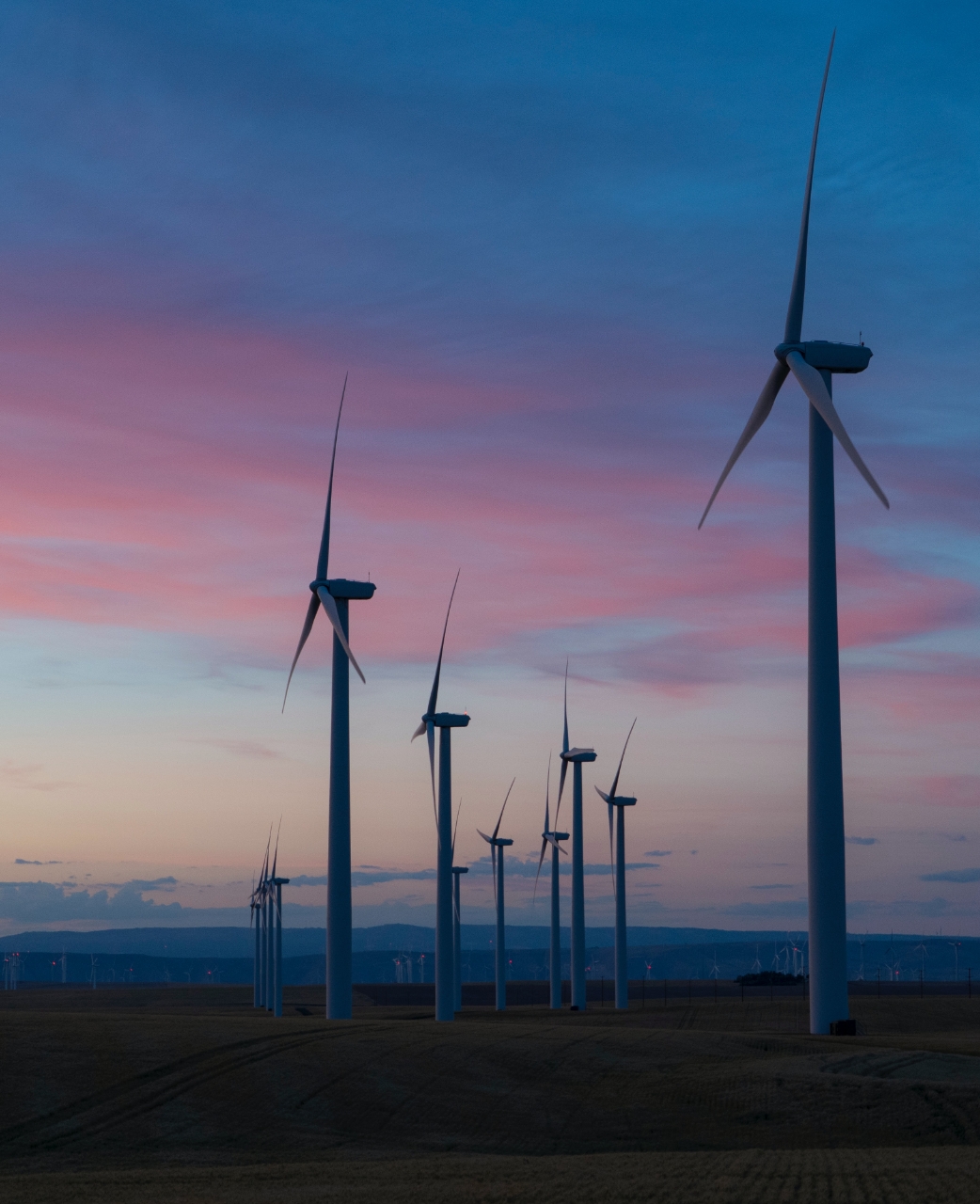
Electrical energy in Brazil comes from a large-scale hydro-thermal-wind system and is produced mainly by hydroelectric plants installed in the country's various river basins.

The installation of wind and thermal power plants has been growing in recent years, contributing strategically and significantly to the sector's security, as they allow for the storage of water in the reservoirs of hydroelectric plants.

Brazil's tropical climate and the amount of sunlight are very favorable for generating solar energy, which has strong potential and could even surpass hydroelectric power.

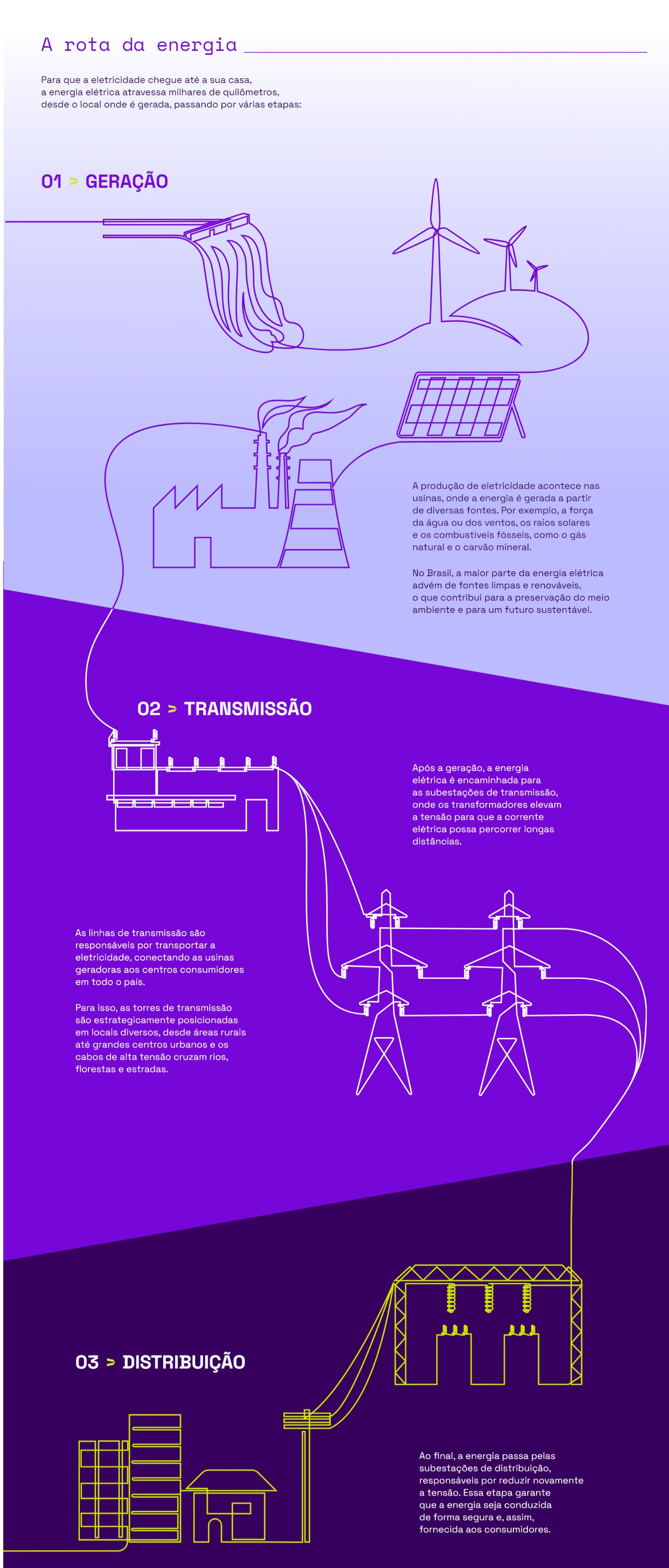
01

GENERATION

Electricity production takes place in power plants, where energy is generated from various sources. For example, the force of water or wind, or solar rays.
and fossil fuels, such as natural gas and coal.

In Brazil, most of the electricity comes from clean and renewable sources, which contributes to the preservation of the environment and a sustainable future.

02

TRANSMISSION

After generation, electrical energy is sent to transmission substations, where transformers increase the voltage so that the electric current can travel long distances.

Transmission lines are responsible for transporting electricity, connecting power plants to consumer centers throughout the country.

For this reason, transmission towers are strategically positioned in diverse locations, from rural areas to large urban centers, and high-voltage cables cross rivers, forests, and roads.

03

DISTRIBUTION

Finally, the energy passes through distribution substations, which are responsible for reducing the voltage again. This step ensures that the energy is conducted safely and thus supplied to consumers.

In Brazil, the National Interconnected System (SIN) is composed of 4 subsystems, which allow the integration of generation and transmission resources. These are: South, Southeast/Central-West, Northeast, and North.

Electrical systems are connected through a transmission network, responsible for conducting and transferring the energy produced between their subsystems.

This operational synergy provides numerous advantages, such as greater safety, maximum utilization of diverse hydrological regimes, and integrated transmission of the various energy sources that supply the consumer market.

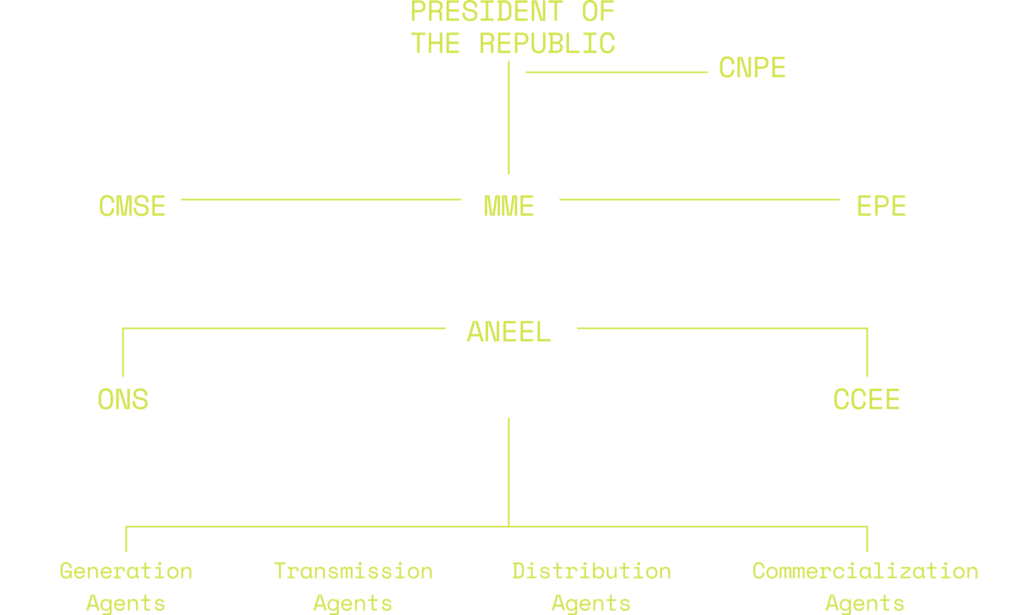
The management of power plants, transmission lines, substations, and electricity distribution networks is carried out by public and private companies that obtain concessions for these services through auctions. They are remunerated according to the rules of the National Electric Energy Agency (ANEEL), the regulatory body responsible for establishing standards and guidelines for the sector.


Enter your ONS code below for consultation:

By clicking "Accept", you agree to the storage of cookies on your device to improve site navigation, analyze site usage and assist in our marketing efforts.